Přehled
Co se skutečně liší mezi zeměmi Evropy
Čtyři proměnné, každá se v Evropě liší několikanásobně, a společně mají na váš zážitek z vlastnictví větší vliv než to, jaké auto jste si vybrali.
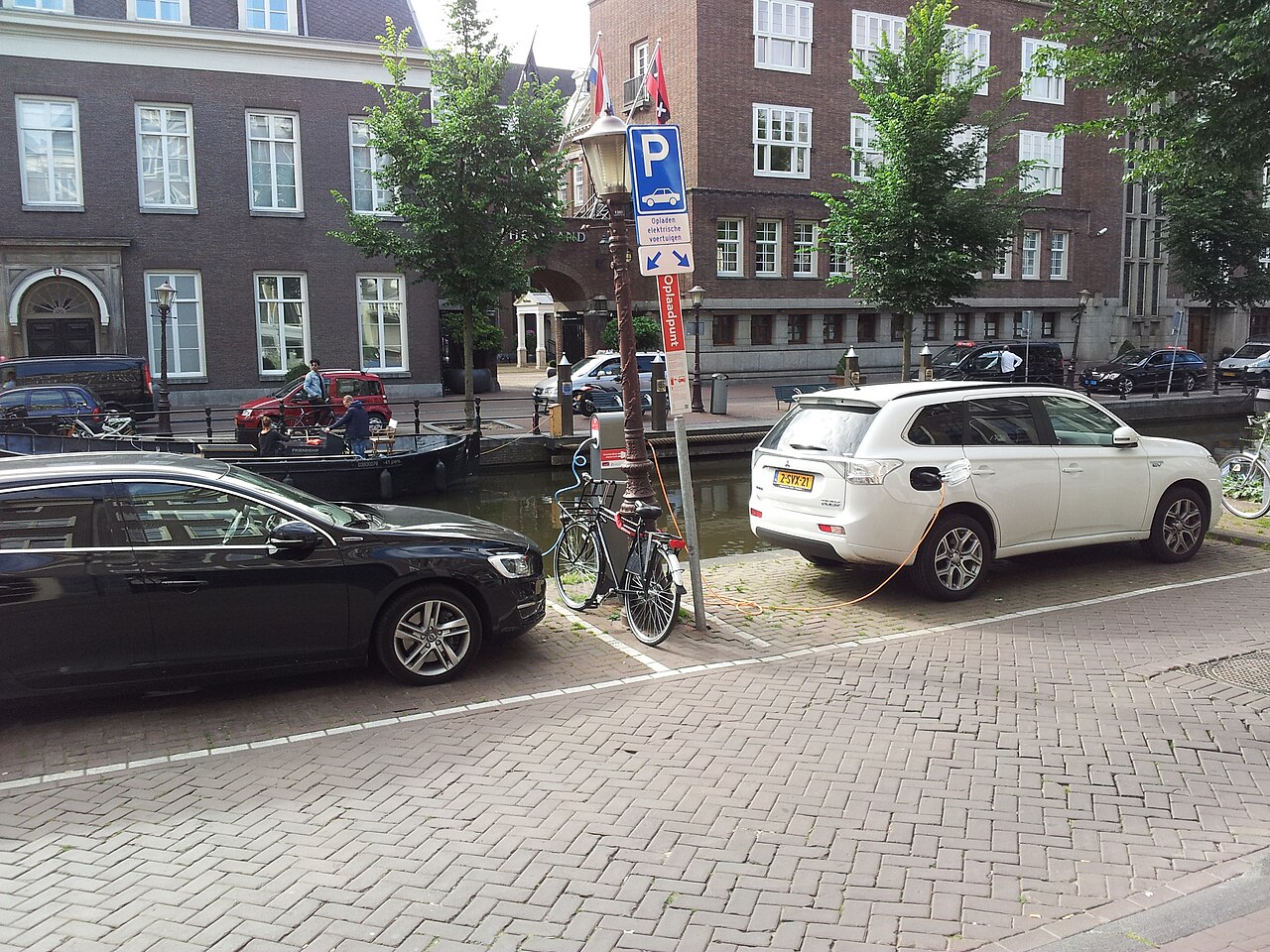

Čtyři proměnné
| Proměnlivé | Rozsah v Evropě | O čem rozhoduje |
|---|---|---|
| Uhlíková náročnost elektrické sítě | Velmi velký — sítě s vodní a jadernou energií oproti sítím závislým na uhlí | Jak velká je výhoda v emisích za celý životní cyklus |
| Cena elektřiny pro domácnosti | Několikanásobný | Náklady na domácí dobíjení, které dominují provozním nákladům |
| Tarify veřejného dobíjení | Několikanásobný, plus roamingové marže | Náklady na dlouhé cesty |
| Pořizovací pobídky a zdanění | Od výrazných až po žádné | Zda se celkové náklady na vlastnictví vůbec vyplatí |
| Hustota nabíječek | Velmi velká | Kolik plánování dlouhá cesta vyžaduje |
Systematický přehled zavádění [1] a analýza struktury dotací [2][3] shodně ukazují, že politika je dominantním faktorem — jinými slovy, stejné auto představuje jinou finanční nabídku podle toho, kde je registrováno.
Vliv politiky na zavádění elektromobilů
Náročnost sítě je proměnná ovlivňující emise
Elektromobil vyjíždí z továrny s uhlíkovým dluhem způsobeným výrobou baterie a splácí ho během provozu tím, že produkuje méně emisí. Jak rychle se tento dluh splatí, závisí téměř výhradně na elektřině, kterou odebírá. U sítě s nízkými emisemi je vzdálenost do vyrovnání krátká; u sítě závislé na uhlí je mnohem delší.
Dvě asymetrie hovoří ve prospěch elektromobilu bez ohledu na to. Sítě se postupem času dekarbonizují, takže auto je čím dál čistší po celou dobu své životnosti, zatímco u spalovacího vozu to neplatí. A záleží také na způsobu dobíjení — noční dobíjení se často shoduje s výrobou elektřiny s nižšími emisemi. Celý případ životního cyklu najdete na naší stránce o emisích elektromobilů.
Pobídky se rychle mění
Pořizovací dotace, zacházení s DPH, zdanění firemních vozů, výjimky ze silniční daně, přístup do měst a parkovací výhody se liší podle země a několik z nich se každoročně mění. Vše, co se o nich zveřejní, má krátkou trvanlivost, a proto tento web přistupuje k těmto informacím jako k datům, která je třeba pravidelně aktualizovat, nikoli jako k textu napsanému jednou provždy.
Často kladené otázky
Která země je nejlepší pro vlastnictví elektromobilu?
Mění náročnost sítě skutečně odpověď?
Vyplatí se čekat na pobídky?
Kde najdu náročnost své sítě?


Související čtení
- Jak evropské země strukturují pobídky a daně pro elektromobily
- Proč Norsko vede v Evropě v rozšíření elektromobilů
References
Every citation below links to the original peer-reviewed record on PubMed or via DOI. Nothing here is a substitute for medical advice.
-
Electric Vehicle Adoption: A Comprehensive Systematic Review of Technological, Environmental, Organizational and Policy Impacts Zaino R, Ahmed V, Alhammadi A, et al. · World Electric Vehicle Journal · 2024 · Journal article DOI
-
Electric Vehicle (EV) Review: Bibliometric Analysis of Electric Vehicle Trend, Policy, Lithium-Ion Battery, Battery Management, Charging Infrastructure, Smart Charging, and Electric Vehicle-to-Everything (V2X) Veza I, Syaifuddin M, Idris M, et al. · Energies · 2024 · Journal article DOI
-
Electric Vehicle Public Charging Infrastructure Planning Using Real-World Charging Data Mortimer B, Hecht C, Goldbeck R, et al. · World Electric Vehicle Journal · 2022 · Journal article DOI
-
Network Externality and Subsidy Structure in Two-Sided Markets: Evidence from Electric Vehicle Incentives Springel K · American Economic Journal: Economic Policy · 2021 · Journal article DOI
-
Electric vehicle adoption: An analysis of best practice and pitfalls for policy making from experiences of Europe and the US Broadbent G, Drozdzewski D, Metternicht G · Geography Compass · 2017 · Journal article DOI
-
Reducing Carbon Dioxide Emissions from Electricity Sector Using Smart Electric Grid Applications Abdallah L, El-Shennawy T · Journal of Engineering · 2013 · Journal article DOI
-
User Experience of Public Electric Vehicle Charging Infrastructure in Shanghai: A Quantitative Analysis Xie X, Raval S, Deb S · World Electric Vehicle Journal · 2026 · Journal article DOI
-
Carbon-Aware Rolling-Horizon Energy Management of Electric Vehicles via Virtual Power Plants Under Carbon–Grid Conflict Khan B, Ullah Z · World Electric Vehicle Journal · 2026 · Journal article DOI
-
Modeling Electric Vehicle Adoption in Thailand: The Impact of Ecosystem and Policy Support via Perceived Value and Charging Anxiety Suvittawat A, Suvittawat N · World Electric Vehicle Journal · 2026 · Journal article DOI
-
Electric Vehicle Infrastructure Deployment in the Mid-Atlantic Region: Comparative Evolution of NEVI Implementation from 2022 to 2026 Alkhamaiesh S · World Electric Vehicle Journal · 2026 · Journal article DOI
-
Interpretable Station-Level Charging Congestion Pressure Assessment and Multi-Horizon Early Warning for Electric-Vehicle Charging Infrastructure Shi K · World Electric Vehicle Journal · 2026 · Journal article DOI
-
Decarbonizing China's grid: provincial grid carbon footprint factors and export-embedded electricity emissions from 2020 to 2060 Wu Y, Zhang Z, Zhu S, et al. · Carbon Footprints · 2025 · Journal article DOI
-
A methodological approach to the deployment of electric vehicle charging infrastructure in urban areas Kazak P, Pavluchenko D · Power engineering: research, equipment, technology · 2025 · Journal article DOI
-
Renewable Electricity Transition, Energy Intensity, and Carbon Performance: A Cross-Country Business-Economics Analysis Ozturk I · Energy Environment and Economic Studies · 2025 · Journal article DOI
-
Policy Forum: Demand and Supply Policies for Electric Vehicle Adoption—A Comparison of Norway and Canada Epelbaum N, Jackson Farrell P, Gandhi D, et al. · Canadian Tax Journal/Revue fiscale canadienne · 2025 · Journal article DOI
-
Analysis of the Correlation Between Electric Bus Charging Strategies and Carbon Emissions from Electricity Production Kocsis Szürke S, Pál R, Saly G · World Electric Vehicle Journal · 2025 · Journal article DOI
-
Electric Vehicle Adoption in Egypt: A Review of Feasibility, Challenges, and Policy Directions Awad H, De Santis M, Bayoumi E · World Electric Vehicle Journal · 2025 · Journal article DOI
-
Decarbonizing Transportation: Cross-Country Evidence on Electric Vehicle Sales and Carbon Dioxide Emissions Yengil Bülbül B, Baydar M · World Electric Vehicle Journal · 2025 · Journal article DOI
-
Comparison of SVM & Naïve Bayes Methods in Sentiment Analysis of Electric Vehicle Subsidy Policy Based on X Data Wiguna I, Waas D, Wiguna I, et al. · Journal of Engineering and Scientific Research · 2024 · Journal article DOI
-
Benefit Evaluation of Carbon Reduction and Loss Reduction under a Coordinated Transportation–Electricity Network An H, Zhou Q, Jia Y, et al. · World Electric Vehicle Journal · 2024 · Journal article DOI
-
Coordinating the electric vehicle transition and electricity grid decarbonization in the U.S. is not essential to achieving substantial long-term carbon dioxide emissions reductions Leard B, Greene D · Environmental Research Letters · 2023 · Journal article DOI
-
The greenhouse gas emissions reduction co-benefit of end-of-life electric vehicle battery treatment strategies Dou H, Hao H · Carbon Footprints · 2023 · Journal article DOI
-
Twitter Sentiment Analysis of Electric Vehicle Subsidy Policy using Naïve Bayes Algorithm Wicaksono A · Journal of Statistical Methods and Data Science · 2023 · Journal article DOI
-
Solar-Powered Electric Vehicle Charging Infrastructure Abdula A, Wells S · Journal of Student Research · 2023 · Journal article DOI
-
Advancements in Electric Vehicle Charging Infrastructure: Fast Charging, Wireless Charging, and Smart Grid Integration Jordan Y. Arpilleda · International Journal of Advanced Research in Science, Communication and Technology · 2023 · Journal article DOI
-
Dispatch model for analysing the impacts of electric vehicles charging patterns on power system scheduling, grid emissions intensity, and emissions abatement costs Oliyide R, Cipcigan L · International Multidisciplinary Research Journal · 2022 · Journal article DOI
-
Energy and Environmental Policy Trends: The accelerating pace of electric vehicle adoption Hastings-Simon S · The School of Public Policy Publications · 2022 · Journal article DOI
-
Real Driving Range in Electric Vehicles: Influence on Fuel Consumption and Carbon Emissions Armenta-Déu C, Cattin E · World Electric Vehicle Journal · 2021 · Journal article DOI
-
A First Look at Ontario’s Electric Vehicle Incentive Program: Who Are Ontario’s Green Drivers? Erutku C · Canadian Public Policy · 2020 · Journal article DOI
-
Alternative Incentive Policies against Purchase Subsidy Decrease for Battery Electric Vehicle (BEV) Adoption Lu T, Yao E, Jin F, et al. · Energies · 2020 · Journal article DOI
-
Electric Vehicle‐Grid Integration Spurs Faster Development Roper P · Natural Gas & Electricity · 2019 · Journal article DOI
-
Demand Calculation Method for Electric Vehicle Charging Station Locating and Deployment Csiszár C · Periodica Polytechnica Civil Engineering · 2019 · Journal article DOI
-
The Impact of Different Incentive Policies on Hybrid Electric Vehicle Demand and Price: An International Comparison Whitehead J, Washington S, Franklin J · World Electric Vehicle Journal · 2019 · Journal article DOI
-
A Corridor-Based Approach to Estimating the Costs of Electric Vehicle Charging Infrastructure on Highways Suomalainen E, Colet F · World Electric Vehicle Journal · 2019 · Journal article DOI
-
Adoption of Electric Vehicles: Manufacturers' Incentive and Government Policy Shao J, Yang H, Zhang A · Journal of Transport Economics and Policy · 2019 · Journal article DOI
-
Energy and Environmental Policy Trends: Will Electric Vehicle Rebates Spur Widespread Adoption? Shaffer B · The School of Public Policy Publications · 2019 · Journal article DOI
-
Performance of Electric Vehicle Charging Infrastructure: Development of an Assessment Platform Based on Charging Data Maase S, Dilrosun X, Kooi M, et al. · World Electric Vehicle Journal · 2018 · Journal article DOI
-
Large Scale Electric Car Sharing Stimulates EV Adoption and EVSE Infrastructure Deployment Muller H · World Electric Vehicle Journal · 2016 · Journal article DOI
-
SAFETY RULES FOR USE IN ELECTRIC VEHICLE CHARGING INFRASTRUCTURE Miličić J, Hederić Ž, Špoljarić Ž, et al. · Safety Engineering · 2016 · Journal article DOI
-
Lightweight infrastructure for electric vehicle charging Pettersson S · World Electric Vehicle Journal · 2015 · Journal article DOI